

Neighbor notification for NYC renovations is a formal legal obligation under NYC Administrative Code §28-104.8.4, not a courtesy. Every homeowner planning work in an occupied residential building must follow specific notice procedures, file a Tenant Protection Plan (TPP) with the NYC Department of Buildings (DOB), and document every step. This nyc renovation neighbor notification guide covers exactly what the law requires, how to communicate beyond the minimum, and how to protect yourself if a dispute arises. Get this right and your project moves faster, costs less, and keeps the peace.
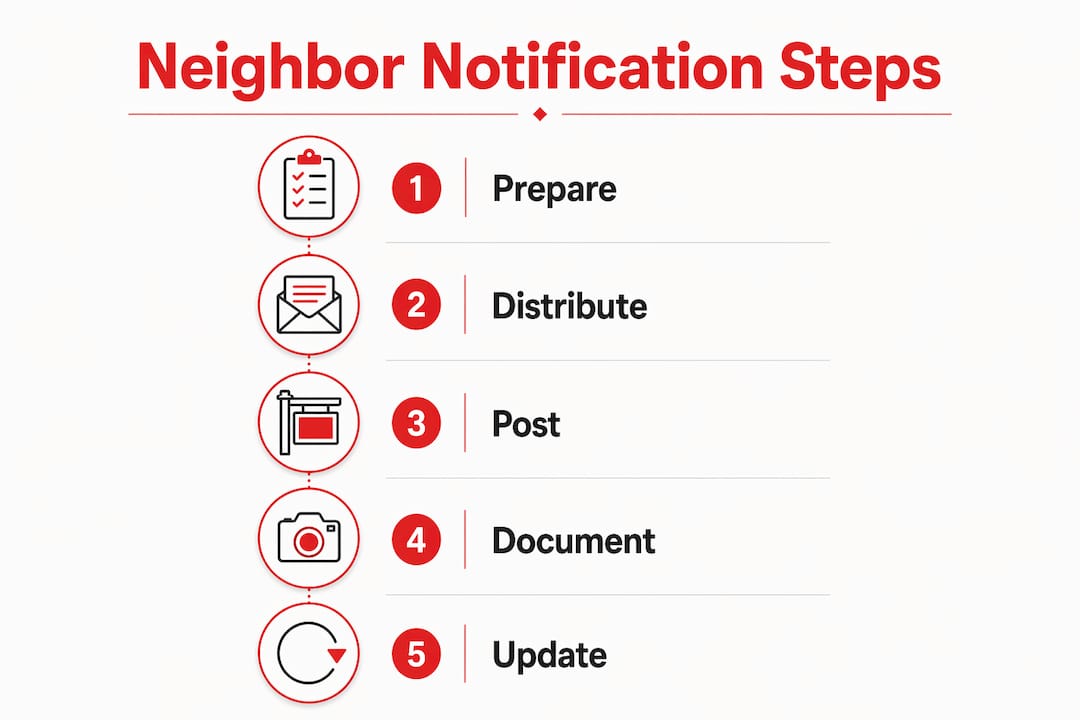
What are the NYC legal requirements for neighbor notification?
NYC Administrative Code §28-104.8.4 requires any alteration to an occupied residential building to include a formal Tenant Protection Plan filed with the DOB before work begins. The TPP is not a formality. It is a detailed document specifying work scope, phased schedule, noise and dust control measures, utility interruption procedures, and a named responsible contact. Vague language is routinely rejected at DOB review, so every section must be precise and phase-specific.
Timing requirements are strict and non-negotiable:
- Service interruptions (water, gas, electric): written notice at least 24 hours in advance
- Major phase changes (structural work, mechanical system changes): 72 hours to 1 week advance notice
- Noise-producing work: 72-hour prior written notice required; construction noise is capped at 85 decibels measured at 50 feet
- Standard work hours: 7 AM to 6 PM on weekdays; work outside these hours requires a variance from the DOB
- Non-English speaking tenants: written notice may require translation under HPD rules to protect all building occupants
Notices must be distributed door-to-door, posted in common areas such as the lobby and elevator area, and updated whenever project phases change. Digital notifications through building apps are increasingly accepted as a supplement, though not a replacement for physical posting.
Penalties for non-compliance are serious. Missing or improper notices can result in fines ranging from $625 to $10,000, stop-work orders, and costly project delays. A stop-work order on a Manhattan gut renovation can set a schedule back by weeks and trigger contract penalties with your general contractor.
Pro Tip: Before filing your TPP, review the NYC permit alteration types to confirm which alteration class your project falls under. The permit type directly determines the depth of TPP documentation required.
How can homeowners communicate renovation plans beyond legal requirements?
Legal compliance sets the floor, not the ceiling. Proactive communication reduces the likelihood of costly legal disputes and keeps your project timeline intact. Neighbors who feel informed are far less likely to file complaints with 311 or pursue court access petitions under RPAPL §881.
Here is a practical sequence for informing neighbors about renovations before and during your project:
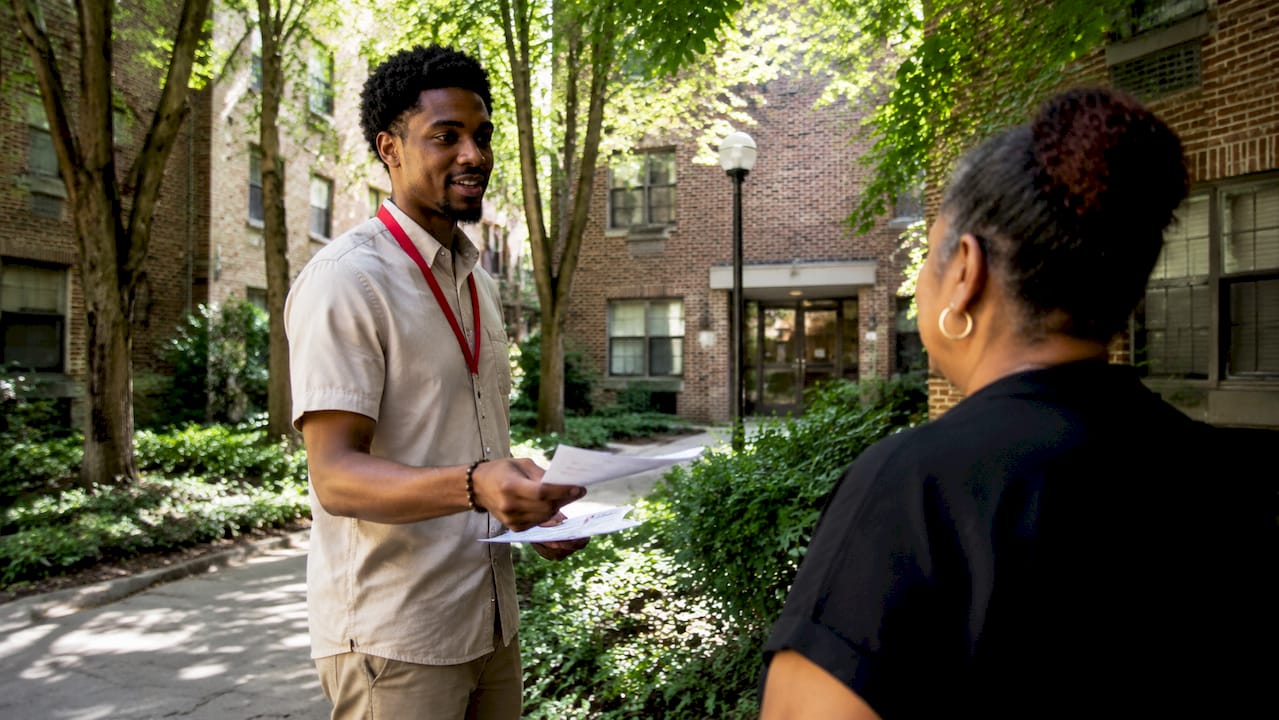
- Introduce the project in person or by letter at least two weeks before work starts. Include the start date, estimated end date, scope of work in plain language, and what neighbors can expect to hear, smell, or experience.
- Designate a single project contact with a direct phone number and email address. This person should respond to neighbor inquiries within 24 hours. Unanswered complaints escalate fast in NYC buildings.
- Accommodate reasonable requests when feasible. If a neighbor works night shifts and needs quiet before 9 AM on certain days, adjusting your schedule by two hours costs little and prevents a formal complaint.
- Send phase updates at each major milestone. A brief flyer slipped under doors or a message through a building app like ButterflyMX or BuildingLink takes ten minutes and prevents ten phone calls.
- Maintain shared spaces throughout the project. Clean hallways, covered elevator walls, and prompt debris removal signal respect and reduce friction with building management and neighbors alike.
Tipping building staff is standard practice in NYC and worth mentioning directly. Doormen and supers who feel respected are more likely to manage neighbor concerns informally before they become formal complaints.
Pro Tip: Keep a renovation communication log from day one. Note every conversation, every notice distributed, and every neighbor response. This log is your first line of defense if a dispute surfaces later.
What are the best practices for documentation and record-keeping?
Documented evidence of notifications is the primary defense against claims of lack of notice or damage liability. Courts and the DOB both treat a well-maintained paper trail as proof of good faith. Without it, you are relying on memory against a neighbor’s written complaint.
Follow these documentation practices throughout your project:
- Keep physical and digital copies of every notice distributed, including the date, method of delivery, and recipient unit
- Photograph posted notices in the lobby, elevator area, and any other common posting locations immediately after posting
- Save all email and text communications with neighbors, building management, and your contractor in a dedicated folder
- Log every neighbor complaint in writing along with your response and the resolution, even if the complaint was minor
- Use certified mail or delivery receipts for formal notices when the work is particularly disruptive or when a neighbor has already expressed concerns
A single documented delivery receipt has resolved disputes that would otherwise have required legal representation. The cost of a certified letter is under $10. The cost of housing court is not.
Align your documentation timeline with your project phases. When a new phase begins, issue a fresh notice and file a new record. The DOB expects to see phase-specific communication, not a single notice issued at the start of a six-month project.
What are the most common mistakes homeowners make with neighbor notifications?
Most notification failures are not intentional. They come from underestimating what the DOB and building management actually require. Here are the five most frequent pitfalls and how to avoid each one:
- Vague notification language. Notices that say “construction work will occur” without specifying scope, schedule, or contact information fail DOB scrutiny and can be rejected outright. Name the work, name the dates, and name the person responsible.
- Insufficient notice timing. Issuing a utility interruption notice the morning of the shutdown violates the 24-hour minimum and exposes you to immediate fines. Build notice deadlines into your project schedule as hard milestones.
- Ignoring non-English speaking tenants. Buildings in Brooklyn, Queens, and the Bronx often house tenants who speak Spanish, Mandarin, Bengali, or other languages. Failing to provide translated notices is a compliance gap that HPD takes seriously.
- Dismissing neighbor concerns. A neighbor who raises a concern and receives no response has a clear path to housing court under RPAPL §881. Ignoring complaints does not make them disappear. It converts them into litigation.
- No named contact or outdated contact information. If your project manager changes mid-project and the notice still lists the previous contact, every call goes unanswered. Update contact information on all posted notices within 24 hours of any personnel change.
These mistakes are avoidable with a structured process. Reviewing renovation red flags before you start can help you identify compliance gaps before the DOB does.
How do Tenant Protection Plans integrate with neighbor notification?
A Tenant Protection Plan is the legal framework that consolidates all neighbor notification requirements into a single DOB filing. For any alteration to an occupied residential building, the TPP is mandatory before permits are issued. It is not a separate step from notification. It is the structure that governs every notification you send.
| TPP Requirement | What It Covers |
|---|---|
| Work scope and schedule | Detailed phase-by-phase description of all planned construction activities |
| Noise and dust control | Specific mitigation measures and maximum decibel limits per NYC code |
| Utility interruption notices | 24-hour advance written notice for any service disruption |
| Named responsible contact | A specific individual, not just a company name, reachable during all work hours |
| Posted and distributed notices | Lobby, elevator area, and direct tenant distribution at each phase change |
Special inspections are mandatory during TPP-governed projects and must be performed periodically throughout the renovation. An inspector verifies that notices are posted correctly, protective measures are in place, and the project matches the filed TPP. Failing an inspection triggers penalties and can result in a stop-work order.
The TPP also requires updates. If your project scope changes, if a phase runs longer than planned, or if a new utility interruption becomes necessary, you must amend the TPP and reissue notices. Treating the TPP as a one-time filing is one of the most expensive mistakes a homeowner can make.
Key takeaways
Successful NYC renovation neighbor notification requires a filed Tenant Protection Plan, phase-specific written notices, and documented records maintained throughout the entire project.
| Point | Details |
|---|---|
| TPP is mandatory | File a Tenant Protection Plan with the DOB before any work begins in an occupied building. |
| Timing rules are strict | Utility interruptions need 24-hour notice; major phase changes require 72 hours to 1 week. |
| Documentation protects you | Keep copies, photos, and delivery records of every notice as your primary legal defense. |
| Vague language fails reviews | Every notice must name the work scope, schedule, noise levels, and a specific contact person. |
| Proactive communication prevents disputes | Neighbors who feel informed are far less likely to file complaints or pursue court action. |
What we have learned from managing neighbor notifications on NYC projects
The homeowners who have the smoothest renovations are not the ones with the quietest contractors. They are the ones who communicated clearly before the first tool was picked up. We have seen projects stall for weeks because a single notice was posted in the wrong location or a neighbor’s concern went unanswered for three days. Those delays cost real money and real stress.
What we tell every client at Designsbydandj is this: treat notification as a relationship, not a checkbox. The legal requirements under NYC Administrative Code and the TPP process exist for good reason, but the neighbors who cause the fewest problems are the ones who felt respected from the start. A phone call before the permits are pulled, a clear letter explaining what the noise will sound like and when it will stop, a super who knows your project manager by name. These things matter more than most homeowners expect.
We have also learned that meticulous records are worth every minute they take. On more than one project, a documented delivery receipt or a timestamped photo of a posted notice resolved a dispute that could have gone to housing court. The co-op renovation checklist we use with clients includes a notification log as a standard deliverable, not an optional add-on.
The TPP process demands diligence, but it also protects your investment. A properly filed and maintained TPP keeps the DOB satisfied, keeps neighbors informed, and keeps your project moving. Shortcuts in this area always cost more than the time they save.
— D&J
How Designsbydandj handles notification and compliance for NYC homeowners
Managing NYC renovation compliance is one of the most time-consuming parts of any project, and it is exactly where Designsbydandj adds the most value for our clients.

We handle Tenant Protection Plan filings, phase-specific notice preparation, and documentation management as part of our full design-build service. Our team coordinates notification timelines with your project schedule so nothing falls through the cracks. We also prepare your neighbor communication materials, keep your records organized, and support you through DOB inspections. If you are ready to start planning, our guide on how to hire a design-build contractor walks you through exactly what to look for in a firm that handles compliance from day one. You can also download our free homeowner checklist to get organized before your first consultation.
FAQ
What is a Tenant Protection Plan in NYC?
A Tenant Protection Plan is a mandatory DOB filing required before any alteration work begins in an occupied residential building. It details work scope, noise and dust controls, utility interruption procedures, and notification requirements for all tenants.
How much notice do I need to give neighbors before renovation work?
Service interruptions require at least 24 hours written notice, while major phase changes require 72 hours to 1 week advance notice. Noise-producing work also requires 72-hour prior written notice under NYC construction rules.
What are the quiet hours for construction in NYC?
Standard construction hours in NYC are 7 AM to 6 PM on weekdays. Work outside these hours requires a variance from the DOB. Construction noise is capped at 85 decibels measured at 50 feet from the source.
What happens if I fail to notify neighbors properly?
Penalties for missing or non-compliant notices range from $625 to $10,000, and the DOB can issue a stop-work order. Neighbors may also pursue court access petitions under RPAPL §881 if proper notice was not provided.
Do I need to translate renovation notices for non-English speaking tenants?
Yes. Under HPD rules, written notice may require translation for non-English speaking tenants to confirm all building occupants are properly informed and protected under the Tenant Protection Plan.



