

The design-build process is a unified renovation approach where a single team manages both design and construction, giving Brooklyn homeowners one point of accountability from the first sketch to the final inspection. This method simplifies project management by eliminating the friction that comes from hiring a separate architect and general contractor who may not communicate well. For any Brooklyn homeowner planning a renovation, understanding how this process works, what it costs, and how long it takes is the foundation of a successful project. Designsbydandj, a family-owned design-build firm, guides homeowners through every stage with clear estimates, honest timelines, and consistent communication.
What are the key stages in the design-build process for Brooklyn homeowners?
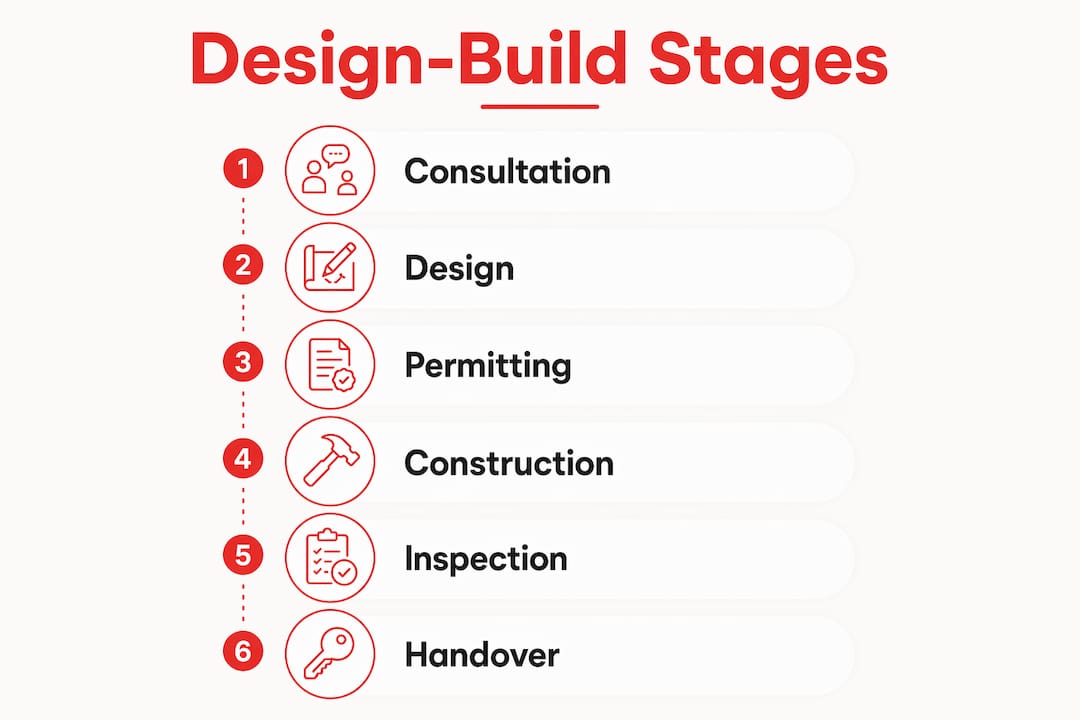
The design-build process follows a defined sequence of stages, and knowing each one helps you set realistic expectations before a single wall comes down.
Initial consultation. The process starts with a conversation about how you use your space, what you want to change, and what your budget looks like. A good design-build team listens before it draws. Designsbydandj uses this meeting to understand your lifestyle, priorities, and the look and feel you want to achieve.
Design development. The team produces drawings, material selections, and a detailed scope of work. You review and approve the design before anything moves forward. This stage often includes 3D models or renderings so you can visualize the finished space.
Permitting and regulatory compliance. Brooklyn renovations involve permitting complexities that a knowledgeable design-build firm handles as part of the integrated process. The team submits drawings to the New York City Department of Buildings, manages approvals, and schedules required inspections.
Construction planning and execution. Once permits are in hand, the build begins. A design-build team coordinates all trades, including plumbers, electricians, and carpenters, under one contract. This reduces scheduling gaps and keeps the project moving.
Final walkthrough and project closeout. The team walks through the finished space with you, addresses any punch-list items, and confirms all inspections are signed off. You receive documentation for warranties and any required certificates of occupancy.
Pro Tip: Ask your design-build team for a written milestone schedule before construction starts. Tracking progress against specific dates keeps everyone accountable and gives you a clear picture of where the project stands at any moment. Designsbydandj provides milestone tracking guidance to help homeowners stay informed throughout the build.
How should Brooklyn homeowners plan their design-build renovation budget?
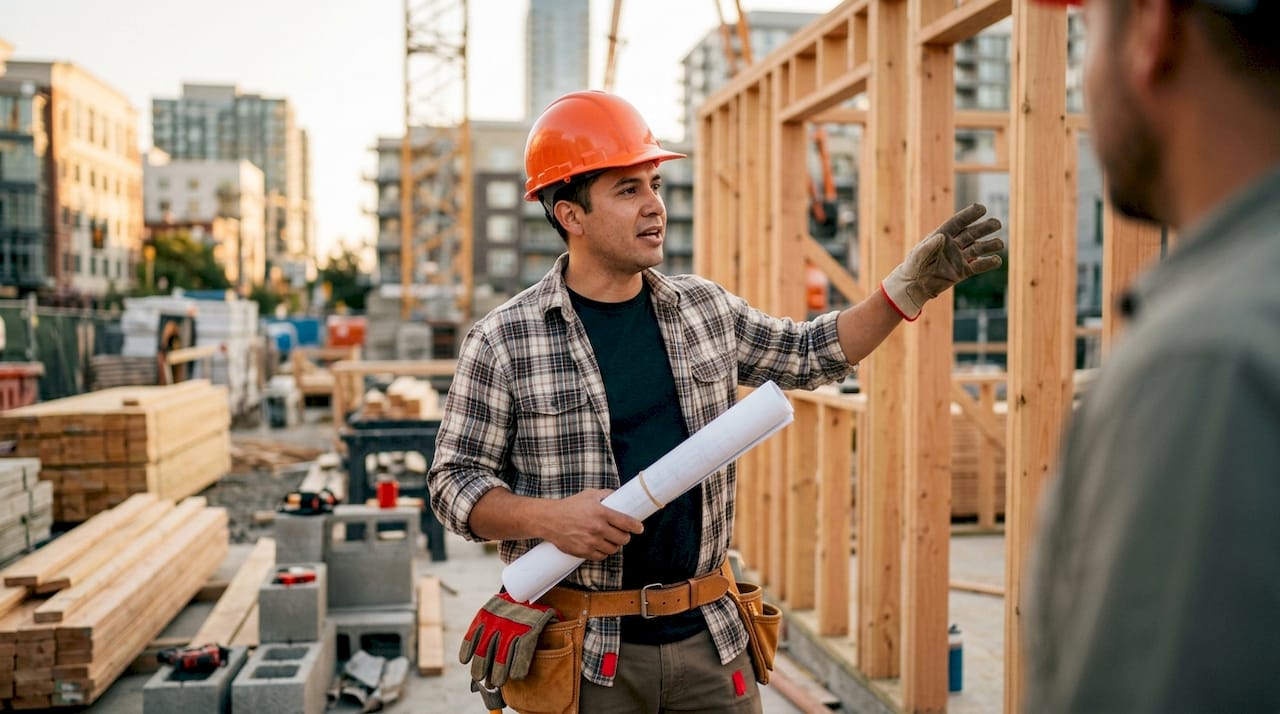
Budgeting for a Brooklyn renovation requires more precision than most homeowners expect. Labor costs in New York City run higher than national averages, and materials need to hold up in dense urban conditions. Prioritizing high-impact areas like kitchens and storage, while choosing durable and affordable materials, is the most effective way to maximize value.
Key cost factors to plan for:
- Labor and trade costs. Skilled tradespeople in Brooklyn command premium rates. Budget for licensed electricians, plumbers, and finish carpenters separately from general construction labor.
- Materials. Durable, multipurpose materials like stained birch plywood and stainless steel extend functional life and reduce replacement costs over time. Choosing materials this way lets you control costs without sacrificing quality.
- Permits and inspections. NYC permit fees vary by project scope. Factor in both the filing fees and the cost of any required professional certifications.
- Design fees. In a design-build model, design costs are typically bundled into the overall contract. Confirm exactly what is included before signing.
- Contingency reserve. Set aside 10%–15% of your total budget for unexpected conditions, such as outdated wiring or hidden water damage discovered during demolition.
Setting clear expectations and milestones upfront improves outcomes and reduces the risk of costly mid-project changes. A limited budget does not preclude a stylish and functional result when you prioritize everyday usability over fleeting trends.
Pro Tip: Before finalizing your budget, get a line-item estimate from your design-build team. Vague lump-sum quotes make it impossible to identify where overruns happen. Designsbydandj provides detailed, transparent estimates so you know exactly where every dollar goes.
What is the typical timeline for a Brooklyn home renovation using design-build?
Integrated design-build teams generally shorten total project duration compared to traditional methods because design and construction planning happen in parallel rather than sequentially. Permitting is typically the longest single phase in a Brooklyn renovation. The table below shows realistic phase durations for a mid-scale renovation.
| Phase | Typical Duration |
|---|---|
| Initial consultation and design | 3–6 weeks |
| Permitting and approvals (NYC DOB) | 4–12 weeks |
| Construction and trades | 6–16 weeks |
| Final inspections and closeout | 1–2 weeks |
| Total project range | 14–36 weeks |
Permitting timelines vary significantly based on project complexity and whether your building requires board approval. Co-op and condo buildings in Brooklyn add an extra layer of review that can extend the pre-construction phase by several weeks. Factors that cause delays include incomplete permit applications, material back-orders, and scope changes made after construction begins. The best way to avoid delays is to finalize your design completely before the build starts and resist the urge to make changes mid-project.
What are common pitfalls Brooklyn homeowners should avoid?
Common renovation pitfalls include mismanaged expectations, budget overruns, and hiring firms unfamiliar with local codes. Experienced design-build teams prevent these problems through clear contracts, upfront communication, and local expertise. Knowing the pitfalls in advance puts you in a much stronger position.
- Underestimating permitting complexity. NYC Department of Buildings requirements are detailed and non-negotiable. Skipping or rushing the permit process leads to stop-work orders and fines that cost far more than the permit itself.
- Poor communication with your team. Renovation stress almost always traces back to communication gaps. Establish a regular check-in schedule and a single point of contact on the firm’s side from day one.
- Ignoring the contingency budget. Older Brooklyn homes frequently hide surprises behind walls. A 10%–15% contingency is not optional; it is standard practice for any responsible renovation plan.
- Choosing materials based on appearance alone. A tile that looks beautiful in a showroom may not hold up to Brooklyn’s humidity and foot traffic. Prioritize durability and maintenance requirements alongside aesthetics.
- Skipping a thorough contract review. Your contract should define scope, payment schedule, change-order procedures, and dispute resolution. Never sign a contract that uses vague language like “allowances” without specific dollar amounts attached.
How to select the right design-build firm for your Brooklyn home renovation?
Local Brooklyn design-build contractors offer clear advantages in regulatory knowledge, supply chain access, and community reputation. A firm that has pulled permits in Kings County, worked with local inspectors, and sourced materials from regional suppliers will move faster and hit fewer surprises than an out-of-area team.
Evaluate any firm against these criteria before signing:
Local regulatory knowledge. Ask directly how many Brooklyn projects the firm has completed and whether they have experience with your specific building type, whether that is a brownstone, a co-op, or a two-family home. Each comes with different code requirements.
Portfolio and references. Review completed projects that match your scope and style. Contact past clients and ask specific questions: Did the project finish on time? Did the final cost match the estimate? How did the team handle problems?
Pricing transparency. A trustworthy firm provides a detailed, line-item estimate and explains how change orders are priced. Vague quotes are a red flag, not a negotiating tactic.
Communication style. Pay attention to how the firm communicates during the sales process. If responses are slow or unclear before you sign a contract, they will be slower and less clear once construction is underway.
Pro Tip: Ask every firm you interview to describe a project that went wrong and how they fixed it. The answer tells you more about a firm’s character and competence than any polished portfolio photo.
Key Takeaways
The design-build process gives Brooklyn homeowners a single team, a clear timeline, and transparent costs, making it the most accountable path through a home renovation.
| Point | Details |
|---|---|
| Single-team accountability | Design-build firms manage design and construction together, reducing miscommunication and delays. |
| Budget with a contingency | Reserve 10%–15% of your total budget for hidden conditions common in older Brooklyn homes. |
| Permitting drives the timeline | NYC DOB approvals take 4–12 weeks and are the most common source of project delays. |
| Local expertise matters | Firms familiar with Brooklyn codes, inspectors, and suppliers move faster and hit fewer surprises. |
| Finalize design before building | Scope changes made after construction starts are the leading cause of cost overruns. |
What I’ve learned from years of Brooklyn renovations
The biggest mistake I see Brooklyn homeowners make is treating the design phase as a formality. They want to get to construction quickly, so they approve drawings before they have really thought through how they will use the space day to day. Then they make changes mid-build, and those changes cost two to three times what they would have cost at the design table.
Brooklyn homes have real constraints: narrow lots, shared walls, aging infrastructure, and building boards that have opinions. Working within those constraints is not a limitation. It is a design problem, and a good design-build team finds solutions that make the space work harder. Floor-to-ceiling cabinetry, built-in storage, and multi-functional rooms are not just trends. They are practical responses to urban living.
The firms that deliver the best results are the ones that ask the most questions upfront. They want to know how you cook, how you work from home, whether you have kids or pets, and what bothers you most about the space right now. That information shapes every decision that follows. When you find a team that listens before it draws, you have found the right partner.
— D&J
Designsbydandj: your Brooklyn design-build partner
Designsbydandj is a family-owned design-build firm serving Brooklyn homeowners with a step-by-step process built around clear communication and zero surprises. The team handles everything from initial design through final inspection, managing permits, trades, and timelines under one roof.

Every project starts with a real conversation about how you want to live in your space. From there, Designsbydandj builds a detailed scope, an honest budget, and a realistic timeline before a single tool is picked up. If you are ready to plan your renovation the right way, learn more about our design-build services or explore our full service offerings to see how we can help you get from idea to finished space with confidence.
FAQ
What is the design-build process for a Brooklyn homeowner?
The design-build process is a single-contract renovation model where one team manages both design and construction. It gives Brooklyn homeowners unified accountability, clearer communication, and a faster path from concept to completion.
How long does a Brooklyn home renovation take with design-build?
A mid-scale Brooklyn renovation typically takes 14–36 weeks from initial design through final inspection. Permitting through the NYC Department of Buildings is usually the longest phase, running 4–12 weeks depending on project complexity.
How much should I budget for a Brooklyn design-build renovation?
Budget varies by project scope, but always include a 10%–15% contingency for unexpected conditions. Brooklyn labor and permit costs run above national averages, so get a detailed line-item estimate before committing to any firm.
What should I look for when hiring a design-build firm in Brooklyn?
Look for local regulatory knowledge, a transparent line-item estimate, and a clear communication process. Hiring a local contractor with Brooklyn-specific experience reduces permitting delays and supply chain issues.
What are the biggest mistakes Brooklyn homeowners make during renovations?
The most common mistakes are rushing through the design phase, skipping a contingency budget, and hiring firms without local code experience. Renovation red flags like vague contracts and slow communication during the sales process almost always predict problems during construction.