

Common plumbing renovation mistakes in apartments are defined as errors that occur when renovators ignore shared infrastructure, skip required permits, or underestimate structural constraints in multi-family buildings. Unlike single-family homes, apartment plumbing connects vertically through shared stacks that serve every unit above and below yours. One wrong move can affect your neighbors, trigger building management fines, and turn a straightforward bathroom refresh into a months-long ordeal. The good news is that most of these errors are entirely preventable with the right planning and the right team.
1. Misunderstanding shared plumbing infrastructure
Apartment plumbing is not self-contained. Every drain, vent, and supply line in your unit connects to a shared vertical stack that runs through the entire building. That means a plumbing decision you make in your bathroom directly affects the drainage performance of units above and below you.
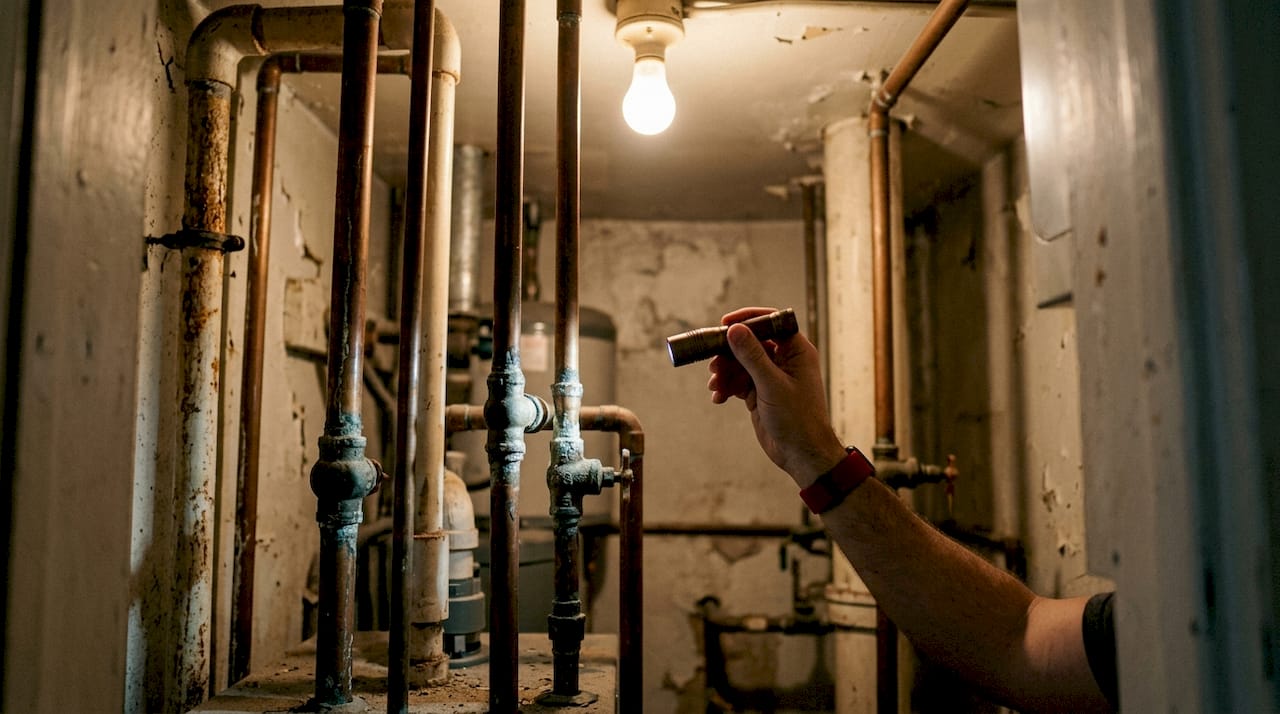
Shared drain stack blockages from grease, food scraps, and improper disposals cause slow drainage and cross-unit disruptions. That is not just your problem. Building management can hold you financially responsible for repairs affecting other residents.
Concrete subfloors make this even more complicated. Rerouting drain lines through a concrete slab requires jackhammering, waterproofing, and structural review. Altering bathroom layouts in shared apartment buildings often triggers a $5,000 or more structural penalty due to complex pipe rerouting through concrete subfloors. That figure does not include the cost of restoring the floor afterward.
- Identify where your unit’s drain lines connect to the shared stack before any demo work begins
- Confirm with building management whether your planned changes affect common plumbing elements
- Get a written statement from a licensed plumber on what can and cannot be moved
Pro Tip: Ask your building super for the original plumbing drawings before you hire anyone. Many older buildings in New York City have these on file, and they save hours of diagnostic guesswork.
2. Relocating fixtures without checking vent distance limits
Moving a toilet or sink even a few feet sounds simple. In an apartment, it rarely is. The International Plumbing Code (IPC) governs how far a fixture’s trap arm can extend before it needs a vent connection, and those limits are tighter than most people expect.
IPC Table 906.1 mandates that trap arms must maintain specific vent distances: 2.5 feet for 1¼-inch pipe and up to 6 feet for 2-inch pipe. Exceed those distances and you create a drainage vacuum that causes gurgling, slow drains, and sewer gas infiltration.
Here is what typically goes wrong when fixtures are relocated without accounting for these limits:
- The new fixture position exceeds the allowable trap arm length, requiring a new vent stack
- Adding a vent stack in an apartment means cutting through walls or floors shared with neighbors
- The project scope triples in cost and timeline before a single tile is installed
Specialized labor accounts for 40%–65% of total plumbing project cost in multi-family buildings. Fixture relocation that triggers new venting work sits at the top of that range. Understanding why bathroom layout matters before you commit to a design saves you from discovering these costs mid-project.
3. Undersizing drain lines when adding fixtures
Adding a second sink, a wet bar, or a utility basin to an apartment seems like a minor upgrade. Connecting it to an undersized drain line is a major mistake. Every fixture has a drain unit load, and the existing pipe must be sized to handle the combined flow.
A 1½-inch drain line that works fine for one sink will back up when a second fixture is added without upsizing. The result is slow drainage, standing water, and eventual leaks at the joints. In an apartment, those leaks travel downward into the unit below yours.
Drain sizing also affects vent sizing. A plumber who skips the load calculation and simply taps into the nearest drain line creates a code violation that will surface during inspection. Catching this error after walls are closed costs far more than getting it right the first time.
4. Skipping permits and inspections
Permit avoidance is the single most expensive shortcut in apartment plumbing renovation. Moving or adding water lines in multi-family apartments always requires permits and must be performed or inspected by a licensed plumber per local jurisdiction. There are no exceptions in New York City.
The inspection process has two distinct phases that many homeowners confuse. Rough-in inspection happens after pipes are installed but before walls are closed. Finish inspection happens after fixtures are connected and the space is complete. Both are required.
Closing walls before city inspection is the costliest renovation error. Inspectors require reopening, which doubles labor and material costs. That means tearing out tile, drywall, and insulation you already paid for.
- Never close a wall until the rough-in inspection is signed off in writing
- Confirm your contractor pulls permits before any work begins, not after
- Keep copies of all permit approvals in case of future disputes with building management
Pro Tip: In New York City, you can verify permit status on the NYC Department of Buildings website using your address. If your contractor says permits are “in process” but nothing appears online after two weeks, ask for the application number directly.
5. Hiring unlicensed plumbers
Unlicensed plumbing work in an apartment is not just a code violation. It is a liability that follows the property. If an unlicensed plumber causes a leak that damages the unit below, your building’s insurance may deny the claim and pursue you personally for the repair costs.
Licensed plumbers carry insurance that protects you when something goes wrong. They also know the local code requirements that govern multi-family buildings, which differ from single-family residential codes in meaningful ways. Pressure regulation, backflow prevention, and shared stack connections all have specific requirements in high-rise and mid-rise construction.
Backflow prevention devices must be installed when new cross-connections occur during renovations, meeting ASSE or AWWA standards to comply with codes. An unlicensed contractor is unlikely to know this requirement, let alone install the correct device.
6. Ignoring aging pipes discovered during demo
Renovation work exposes what is behind the walls. In older apartments, that often means galvanized steel or polybutylene pipes that are well past their service life. Ignoring them and working around them is a mistake that leads to failures months after the renovation is complete.
Old galvanized steel and polybutylene pipes commonly found in older apartments require replacement upon inspection, expanding project scope unexpectedly. That expansion is far less painful when it is planned for than when it causes a burst pipe after the new tile is in.
Pre-demo plumbing inspections uncover hidden outdated pipes that mandate full repiping, helping you set a realistic budget early. Schedule this inspection before finalizing your renovation budget, not after demo begins.
| Pipe Material | Risk Level | Recommended Action |
|---|---|---|
| Galvanized steel | High | Replace immediately |
| Polybutylene | High | Replace immediately |
| Copper (pre-1986) | Medium | Inspect for corrosion |
| PVC/CPVC | Low | Inspect joints and fittings |
7. Overlooking silent leaks from aging fixtures
Leaking toilets, especially due to worn flappers, waste over 200 gallons of water daily. Silent leaks are the primary driver of increased water bills across multi-family properties. In an apartment, that water does not just inflate your bill. It saturates the subfloor and eventually reaches the ceiling of the unit below.
Washing machine supply hoses are another overlooked risk. Braided stainless hoses last significantly longer than rubber hoses, but neither lasts forever. A burst supply hose can release dozens of gallons per minute before anyone notices. Replacing supply hoses during a renovation costs almost nothing compared to the water damage they can cause.
Check every fixture for slow drips and running water before closing walls. A dye test on toilets takes two minutes and confirms whether the flapper is sealing properly.
8. Failing to coordinate with building management and HOA rules
Failure to coordinate with building management and HOA rules often results in project shutdowns, noise complaints, and fines during plumbing renovations. Most buildings in New York City require written approval before any renovation work begins, and many have specific rules about work hours, debris removal, and elevator use.
Getting shut down mid-project is not just an inconvenience. Open walls with exposed plumbing create moisture and security risks. A project that stops for two weeks while you resolve a building management dispute can cost more in carrying costs than the fine itself.
Submit your renovation plan to building management at least 30 days before your start date. Include your contractor’s license number, insurance certificate, and permit applications. Buildings that see organized documentation approve projects faster and with fewer conditions.
9. Not adding shutoff valves at every fixture
Most apartments have a single main shutoff valve for the entire unit. When a fixture needs repair, the only option is shutting off water to everything. Adding individual shutoff valves at every fixture during renovations pays for itself by enabling isolated repairs without shutting the whole apartment’s water off.
This is one of the few plumbing upgrades that costs almost nothing when done during a renovation and a significant amount when done as a standalone project later. Angle stop valves under sinks and behind toilets are inexpensive and take minutes to install when the walls are already open.
Pro Tip: Ask your plumber to install quarter-turn ball valves instead of older compression-style shutoffs. Ball valves are more reliable, easier to operate, and less likely to fail when you actually need them.
10. Rushing the planning phase
The most common thread running through every apartment plumbing renovation mistake is a rushed planning phase. Decisions made in the first two weeks of a project determine 80% of the outcomes. Changing fixture locations, pipe routing, or drain sizing after demo begins costs two to three times more than getting it right on paper first.
A thorough planning phase includes a licensed plumber’s assessment of existing conditions, a review of building management requirements, permit applications submitted before demo, and a written scope of work that covers work hours, debris removal, and inspection milestones. Skipping any one of these steps creates a gap that fills with unexpected costs.
Renovation red flags often appear during the planning phase when you know what to look for. A contractor who resists pulling permits or dismisses the need for a pre-demo inspection is showing you exactly how the project will be managed.
Key takeaways
The most effective way to avoid apartment plumbing renovation mistakes is to plan thoroughly, pull permits, and inspect existing conditions before any demolition begins.
| Point | Details |
|---|---|
| Shared infrastructure is the starting point | Understand how your unit connects to building stacks before planning any fixture changes. |
| IPC vent distance limits are non-negotiable | Trap arm lengths under IPC Table 906.1 determine whether fixture relocation is even feasible. |
| Permits protect you legally and financially | Unpermitted plumbing work voids insurance claims and creates liability for neighbor damages. |
| Aging pipes must be assessed before demo | Galvanized steel and polybutylene pipes found during renovation require immediate replacement. |
| Shutoff valves at every fixture save future costs | Installing individual shutoffs during renovation costs a fraction of what they cost as a standalone project. |
What I’ve learned from watching rushed plumbing renovations go sideways
We have walked into apartments where the previous renovation looked beautiful on the surface and was a disaster underneath. Tile set over an uninspected rough-in. A toilet moved eight feet from the stack with no added vent. Galvanized pipes wrapped in tape and hidden behind new drywall. Every one of those projects cost the owner more to fix than the original renovation cost to complete.
The pattern is always the same. Someone wanted to save time or money at the planning stage, and they paid for it at the repair stage. The plumbing in a multi-family building is not forgiving of shortcuts. It is connected to too many other systems and too many other people.
What actually works is simple. Hire a licensed plumber for a pre-demo assessment. Get your permits before demo starts. Keep your fixture layout as close to the existing one as possible. And coordinate with your building before anyone picks up a tool. These are not complicated steps. They are just the steps that get skipped when the excitement of a renovation outpaces the discipline of planning it properly.
Apartment plumbing renovation should feel exciting. With the right process, it does.
— D&J
Plumbing renovation support from Designsbydandj
Designsbydandj is a family-owned design-build firm that manages every phase of apartment renovations, including plumbing coordination, permit applications, and inspection scheduling. We work directly with licensed plumbers and building management so you do not have to chase approvals or guess at code requirements.

Every project starts with a thorough assessment of existing conditions, a clear scope of work, and honest timelines. If you are planning a kitchen or bathroom renovation in New York City, our design-build remodeling team handles the complexity so the process stays clear and stress-free for you. You can also use our NYC renovation calculator to get a realistic sense of what your project will cost before the first conversation.
FAQ
What is the most expensive plumbing mistake in apartment renovations?
Closing walls before a rough-in inspection is approved is the costliest error. Inspectors require reopening, which doubles labor and material costs.
Do I need a permit to move a sink or toilet in my apartment?
Yes. Moving or adding any water line in a multi-family apartment requires a permit and must be performed or inspected by a licensed plumber per local jurisdiction rules.
How far can I move a toilet from the existing drain stack?
Distance is limited by drain slope requirements and vent distance rules under IPC Table 906.1. Moving a toilet more than a few feet typically requires a new vent connection, which significantly increases cost and complexity.
What pipes should I replace during an apartment renovation?
Galvanized steel and polybutylene pipes require immediate replacement when discovered. Copper pipes installed before 1986 should be inspected for corrosion and replaced if compromised.
How do I avoid affecting my neighbors during a plumbing renovation?
Work with a licensed plumber who understands shared stack systems, avoid pouring grease or debris down drains during construction, and notify building management before work begins to coordinate any necessary water shutoffs.